

 EN

understanding-electromagnetic-focusing-in-shockwave-generators, understanding-electromagnetic-focusing-in-shockwave-generators, /blog
EN
Electromagnetic focusing explains how a shockwave generator concentrates acoustic energy at a selected point rather than distributing it evenly across the treatment head. In therapia undarum choccantis , understanding that energy path helps clinicians relate device settings to tissue depth, anatomy, and a patient’s treatment plan. The key is the relationship between the source, the focusing mechanism, and the intended target.
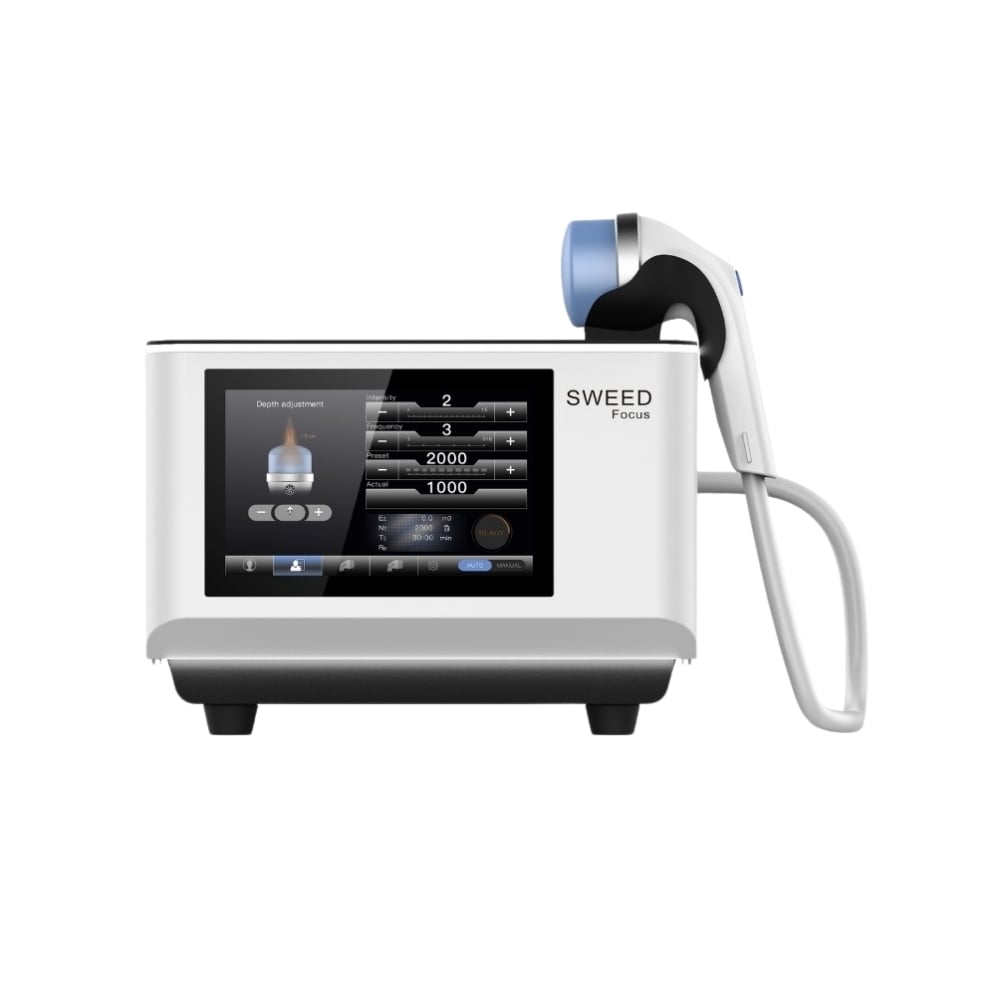
An electromagnetic generator converts an electrical pulse into mechanical motion, which creates a pressure wave in a coupling medium. A focused shockwave device then uses its geometry to bring wave energy toward a focal region. This differs from treating the device as a simple applicator: the position and depth of the focus influence how a clinician plans extracorporeal shockwave delivery and integrates it into orthopedic rehabilitation.
Inside an electromagnetic source, an electrical discharge energizes a coil and produces a magnetic field. That field drives a nearby membrane or projectile, creating a mechanical pulse that travels through a coupling medium. In focused shockwave therapy, the generator and treatment head are designed to direct this pulse into an acoustic wave with a defined path, rather than relying on electrical energy to act directly on tissue.
The term extracorporeal shockwave describes a pressure wave generated outside the body and transmitted through the skin. Effective transmission depends on good contact between the applicator and the skin, often supported by a suitable coupling gel. Air gaps can interrupt energy transfer, so clinicians pay attention to contact, positioning, and the patient’s comfort as part of a controlled treatment setup.
Unda ad concentrandum venit quia caput curativum formam dat et propagationem dirigit. Secundum designum, componentes undae reflexae aut geometrico modo directae in regione focali conveniunt. Itaque dispositivum ad undas concentrantes non solum ex fonte energiae definitur; caput, interfacies connexa et geometria focalis omnia contribuunt ad locum ubi unda concentratur.
Focus est regio, non punctum singulare ubi aequalis energia in omni loco est. Dimensiones eius et profunditas affectant distributionem energiae circa regionem destinatam. In rehabilitatione orthopaedica haec distinctio magni momenti est, cum clinicianus considerat utrum textus destinatus sit superficialis an profundior, et applicatorem ad pertinentem anatomicam disponit. Planificatio extracorporalis undarum concenterantium ambas res considerare debet: locum focalem et textus circumiacentes.
Un generator pot permittere l’adjustamento de l’energia de output, de la frequenza de pulsus, e de parametres de tractamento. Iste ajustes describe como le dispositivo es operate, ma illos non garante un certe responsa clinic per se. In le therapia con undas de chocco focalisate, le clinician debe interpretar le controles del dispositivo in conjunction con le objectivo de tractamento, le presentation del patiente, e le instructiones del fabricante. Le ajuste selectite debe esser documentate pro que le sessiones possa esser deliverate in maniera consistent.
Le profunditate focal determina ubi le region de maxime concentration situate se relative al applicator. Un dispositivo de undas de chocco extracorporee con profunditate focal adjustabile pote offerer flexibilitate quando le anatomia del objectivo varia, ma le adjustment require un positionamento accurate e un clar comprehension del specificaciones del dispositivo. Le application de undas de chocco extracorporee es plus coherent quando le profunditate selectite, le angulo del applicator, e le position del patiente es considerate in conjunction.
Clinici debeant distinguere parametrum ostensum ab mensura directa energiae in textu specifico patientis. Anatomia, interfacies textuum, et condiciones contactus possunt influere transmissionem. Pro rehabilitatione orthopaedica, finis practicus est eligere constitutionem idoneam, eam constanter applicare, et patientem observare, non autem supponere quod parametrum solum praedicat eventum. Therapia undarum shock focalium manet interventio clinica, non autem simpliciter constitutio mechanica isolata.
Antequam tractatio incipiat, operator potest confirmare quod applicator est idoneus, superficies coniunctionis est pura, et dispositivum configuratum est secundum suam instructionem operationis. Positio patientis debet permittere contactum stabilem et accessum ad regionem destinatam. Dispositivum undarum shock focalium debet operari personae addestratae, quae intellegunt controles, indicationes, cautelas, et protocolla clinica localia.
During a session, communication helps the clinician assess comfort and respond if the patient reports an unexpected sensation. This does not replace clinical monitoring, but it supports a measured workflow. Extracorporeal shockwave procedures should follow applicable professional guidance, including screening for contraindications and recording relevant treatment details. Clear documentation supports continuity when care is delivered over multiple visits.
The equipment’s stated focal range and energy controls should be checked against the specific treatment objective, not treated as universal instructions. Focused shockwave therapy may be used in different clinical contexts, so protocols should reflect the clinician’s assessment and the device documentation. A consistent workflow also makes it easier to review whether positioning, settings, and patient response changed between appointments.
Choosing a focal position starts with identifying the intended anatomical target and understanding its depth. The clinician then considers patient position, applicator access, and whether the treatment plan calls for a focused or another type of acoustic approach. In orthopedic rehabilitation, that reasoning links the equipment’s focusing capability to an individualized plan rather than using the same setup for every complaint.
A focused shockwave device can support targeted delivery, but targeting depends on operator technique as well as design. Palpation, anatomical knowledge, and any relevant assessment findings inform placement. The treatment head should be held in stable contact, and the selected focal depth should be consistent with the target. Extracorporeal shockwave energy should not be directed based on a device display alone.
Responsum patientis est altera pars interpretationis clinicae. Clinicianus potest explicare propositum procedurae, describere sensus qui evenire possunt, et rogare de feedback durante tractamento. Therapia undarum choc focalium debet convenire in planum curae latius quando idoneum est, cum progressus aestimetur contra metas functionales et presentationem patientis, non autem assumatur ex ipsa technologia.
Focussatio electromagnetici describit mechanismum physicum distributionis; non tamen statuit quod omnis conditio apta est ad tractamentum aut quod unum protocollum conveniat omnibus patientibus. Decisiones clinicae debent rationem habere de diagnosi, de praecutionibus pertinentibus, de probatione, et de ambitu professionali. Pro rehabilitatione orthopaedica, instrumentum est unus elementum curae, et quilibet usus debet iustificari per aestimationem et per officium intentum interventionis.
Documentation can include the treatment site, applicator, focal depth or other selected settings, session details, and patient response. This record helps clinicians communicate and evaluate changes over time. It also supports a thoughtful review if comfort, access, or treatment goals require adjustment. Extracorporeal shockwave use should follow current device instructions and applicable clinical standards.
A clear grasp of electromagnetic focusing helps teams ask practical questions about energy generation, focal geometry, and target depth. It also encourages operators to check whether the planned setup is appropriate for the patient and treatment objective. When focused shockwave therapy is considered within an informed clinical workflow, technical understanding can support more deliberate positioning, consistent application, and meaningful follow-up.
Pulsus electricus in coilam excitat, campum magneticum generans qui membranam aut projectilis movet. Unde oritur unda pressionis quae per medium coniunctionis progreditur, dum caput tractationis energiam ad regionem focalem dirigit. Therapia undarum shock focalium in hoc processu mixto, qui fontem et geometriam complectitur, fundatur.
Non. Regio focalis dimensiones habet, et distributio energiae circa eam variat. Specificatio apparatus undarum shock focalium characteres eius describere iuvat, sed anatomia et contactus effectum practicum condicionant. Clinici positionem extracorporalem undarum shock et responsionem patientis considerant, non profunditatem ut punctum actionis certum interpretantes.
Intellegere mechanismum clinicos adiuvat ut dispositivi constitutio cum intentione areae curandae connectatur, clare communicentur, et decisiones documententur. In rehabilitatione orthopaedica, ista cognitio technica usum informatum sublevat, sed non substituit aestimationem, examen securitatis, aut planum individuale pro therapia undarum focali.

