

 EN

ipl-skin-rejuvenation-vs-pigment-clearing-plan-differences, ipl-skin-rejuvenation-vs-pigment-clearing-plan-differences, /blog
EN
Planning IPL skin rejuvenation and pigment clearing requires more than choosing a treatment name. Both use filtered light, but the desired outcome, skin assessment, treatment area, and follow-up plan differ. An machina IPL may support either pathway when a qualified professional selects suitable parameters. Understanding the distinction helps clinics set realistic expectations and organize consultations around the client’s main concern.
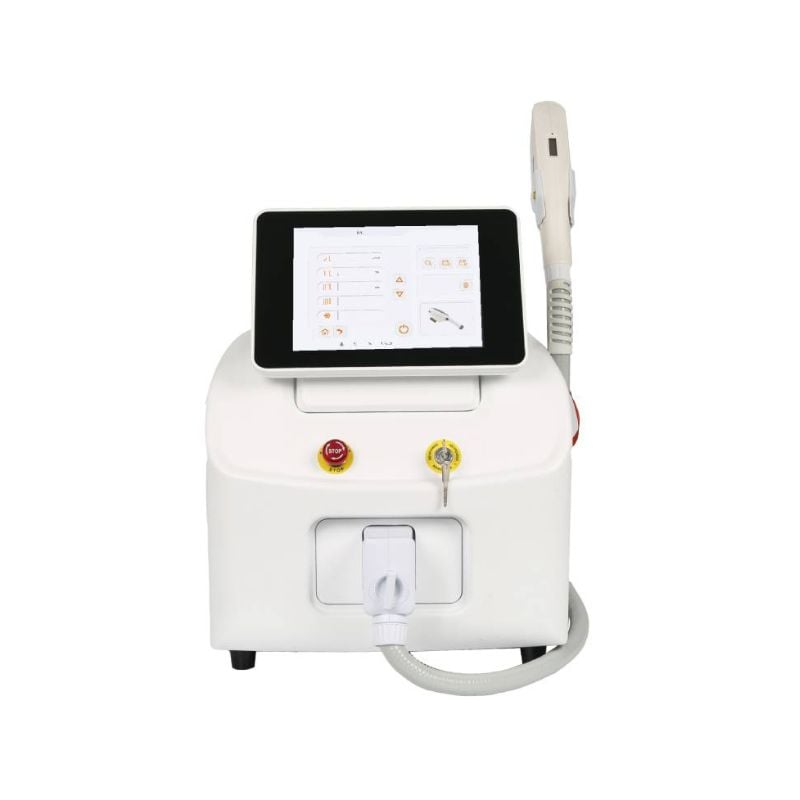
The practical difference lies in the treatment objective. Skin rejuvenation usually addresses a broader collection of visible concerns, whereas pigment clearing focuses on selected areas of unwanted brown discoloration. A clinic using an intense pulsed light device should therefore establish the concern first, then plan assessment, settings, session spacing, and aftercare around that goal. The equipment does not replace diagnosis or sound screening.
A skin rejuvenation plan is typically framed around an overall improvement in visible tone and texture, rather than removal of one isolated mark. The practitioner may discuss diffuse redness, uneven tone, sun-related changes, or several concerns together. A skin rejuvenation device can be considered when the client’s needs and skin characteristics suit light-based care, but the intended result should be specific enough to guide a measured plan.
Pigment clearing has a narrower target: selected pigmented areas that have been assessed as appropriate for treatment. The consultation should identify the location, appearance, history, and likely cause of each concern, since not every dark spot is suitable for cosmetic light treatment. Photorejuvenation equipment may offer configurable treatment options, yet a device cannot determine whether a mark is benign. Uncertain or changing lesions call for clinical assessment before any procedure.
The treatment map follows the objective. For broader rejuvenation, a practitioner may plan coverage across a defined facial or body area and discuss gradual changes across several visits. For pigment clearing, the plan may concentrate on selected spots or a region with more uniform discoloration. An IPL machine should be used according to the intended coverage, not simply because a client asks for a general brightening result.
Explain that response can vary with pigment depth, skin tone, exposure history, and individual healing. An intense pulsed light device delivers selected wavelengths through filters and settings, but treatment outcomes are not identical from person to person. A skin rejuvenation device supports a treatment process, not a guaranteed outcome. Clear consultation notes help clients understand whether the plan prioritizes overall appearance or a specific pigment concern.
Before either plan begins, review skin type, recent tanning or sun exposure, medical and treatment history, medications that may affect light sensitivity, and the area being considered. The practitioner should also check for contraindications and explain protective measures. An ipl machine is only one part of this process; screening helps determine whether light treatment is appropriate and whether a different clinical route is needed.
The choice of filter and energy parameters depends on the client, target, and device instructions. Rejuvenation plans may address several chromophores or concerns, so the practitioner needs a clear priority rather than a one-size-fits-all setting. With pigment clearing, the target and surrounding skin require careful consideration. Photorejuvenation equipment should be operated by trained personnel who follow its instructions and applicable practice standards.
A broad-area plan should record the boundaries of treatment and the concerns being addressed, such as diffuse discoloration or visible redness. A focused plan should document the selected pigment sites and how they will be reviewed. An intense pulsed light device may be used in either approach, but the treatment pattern, test procedures where appropriate, and review criteria should follow professional judgment and device guidance.
Photographiae sub constanti luminatione captae aequam comparationem in subsequente examen adiuvare possunt, si cliens consensum dedit et documenta recte tractantur. Clinica notare debet parametra, regiones tractatas, responsionem clientis, et quaecumque praecepta pro cura post tractamentum. Apparatus pro renovatione cutis non tollit necessitatem documentorum; records constantes adiuvant practicionem iudicare utrum planum adhuc idoneum sit, an mutandum, an desinendum.
Neuter via automatico seriei programmandus est sine examinatione responsionis clientis. Permittendum est cuti ut secundum praescriptiones professionales et protocollo apparatus recuperet, deinde mutationes visibiles aestimandae sunt antequam decernatur de alio visitatione. Planum pro machina IPL considerare debet tolerantiam individualem, regionem tractatam, et causam curae. Evitanda est promissio numeri fixi sessionum ante primam aestimationem.
Pro purgationem pigmenti, inspicere utrum regiones electae mutentur ut exspectatur et utrum nova dubia apparuerint. Pro renovatione cutis, considerare latiorem schemam toni, ruboris aut texturae potius quam unum tantum locum iudicare. Apparatus pro renovatione cutis fortasse pars est plani gradatim applicandi, sed medicus singulis visitationibus idoneitatem et prioritates reexaminare debet, non autem per consuetudinem procedere.
Postcura ante tractationem explicanda est, inter quae sunt protectio solis pertinens, praecavenda pro cura cutis, et signa quae adpellationem clinicae postulant. Praecepta aptata esse debent ad specificum tractatum et ad singulum hominem, non ad generalem promissionem celeris recuperationis. Apparatus lucis pulsatae intensae solum tunc uti potest cum clientes intellegunt quomodo curare debeant partem tractatam et quando consilium professionale petere debeant.
Consultatio finalis debet ad originalem finem redire et eum cum progressu documentato comparare. Si pigmentum manet, practicus potest aestimare utrum alia sessio conveniat an diagnosi vel ratio reconsidernanda sit. Pro ampliori renovatione, de his quaestionibus agendum est quae mutatae sunt et quae manent. Apparatus pro photorenovatione auxilium praebet in administratione tractationis, dum recensio a perito planum facit responsivum et fundatum in resultatis observatis.
Interdum quaestiones se superponunt, sed practicus debet prioritates ordinare et confirmare utrum singulum obiectum idoneum sit. Consilium pro machina ipl potest ita gradui ut aestimatio et recensio quodlibet translatum inter obiecta dirigant. Apparatus pro intensa luce pulsata non omnes quaestiones ad tractationem coniunctam idoneas facit.
Fundamenta examinis similia sunt, sed aestimatio obiecti differt. Apparatus ad cutem renovandam fortasse considerari potest pro curis visibilibus latioribus, dum ad eliminandos pigmentos exacta aestimatio notarum specificarum requiritur. Apparatus ad photorejuvenationem numquam pro aestimatione lesionum incertarum substituere debet.
Describatur obiectum propositum, puncta probabiles revisionis, variationes possibiles, et cura post interventionem, sine promissione ullius resultatus particularis. Explicetur quomodo apparatus luxis pulsatilis intensae in viam electam conveniat, finis documentetur, et iterum aestimetur in consultatione subsequente. Planum transparens decisiones informatas suffragatur.

