

 EN

how-to-reduce-client-dropout-rates-in-shockwave-therapy-courses, how-to-reduce-client-dropout-rates-in-shockwave-therapy-courses, /blog
EN
Reducing dropout from a shockwave therapy course starts before the first appointment. Patients are more likely to continue when they understand the treatment plan, know what progress to expect, and can fit appointments into everyday life. For clinics, improving retention means making each step clear and responding early when a patient has doubts or practical barriers.
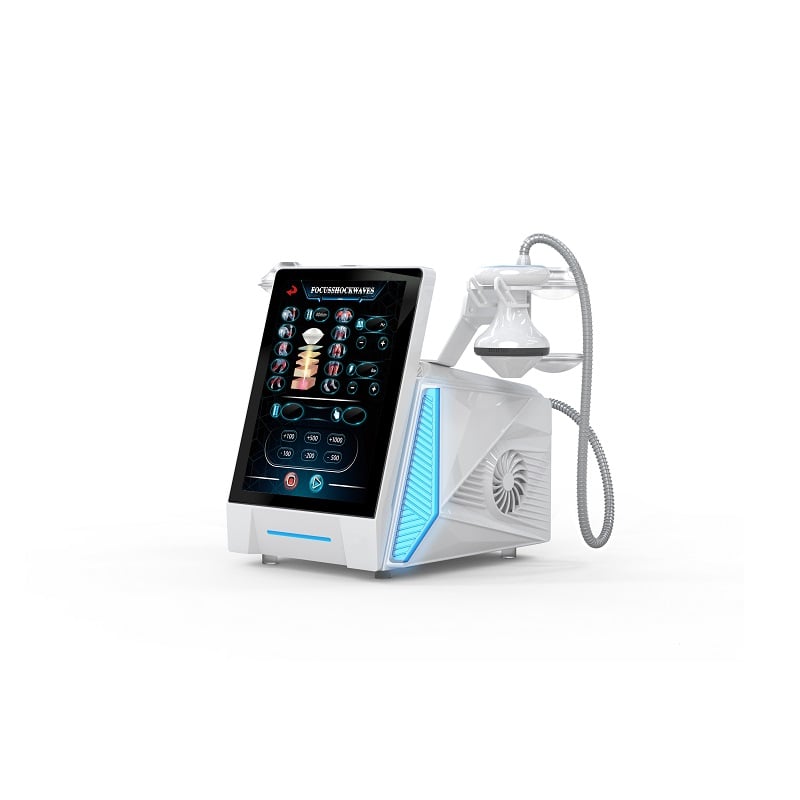
A course is not simply a series of appointments. It is a shared plan between clinician and patient, with decisions about suitability, treatment intervals, and review points. When clinics explain how extracorporeal shockwave fits the individual case and what the patient can do between visits, shockwave treatment feels more purposeful and easier to sustain.
Ad assessmentem, explicare cur therapeutica undarum conmotionalium consideratur, quid sessio in se contineat, et quomodo clinicianus iudicabit utrum consilium adhuc idoneum sit. Evitare promissionem de certo effectu vel tempore. Potius, disserere de probabili variatione, numero et interstitio visitationum propositarum, et quo tempore progressus a patiente et cliniciano recensetur. Clara explicatio de extracorporeis undis conmotionalibus adiuvat incertitudinem substituere per participatio informatam.
Rogare patientem ut planum redigeat verbis suis. Haec simplex inspectio potest revelare errores intellectus circa frequentiam appellationum, sensus exspectatos, aut finem sequentium consultationum. In therapia musculorum et ossuum, confidentia patientis saepe pendet ex intellectu quo visitationes clinicorum connectuntur ad actiones cotidianas. Notare quaestiones et consensus fines, ut futurae colloquia super eisdem expectationibus aedificentur, non autem disceptatio rursus incipiat.
A standard schedule may be convenient for clinic operations, but it should not replace a patient-specific plan. Consider the condition being treated, symptom history, work demands, travel, and the patient’s capacity to attend. Explain why the proposed shockwave treatment schedule suits the case and what would prompt a reassessment. When patients see a rationale, they are less likely to interpret each visit as an isolated procedure.
Before booking, ask about shift patterns, caregiving, transport, and other known constraints. Offer realistic appointment options and book the next visit while the patient is present when appropriate. A practical schedule supports continuity in musculoskeletal therapy without implying that attendance alone guarantees improvement. Confirm the plan in writing, including the contact route for changes, so a missed appointment can be addressed rather than becoming an unspoken exit.
Parvae administrativae difficultates fidem minuere possunt, etiam si aegrotus curam valde aestimet. Mitte breves monitiones per convenientem medium, tempus et locum appellationis aperte enuntia, et mutationem appellationis facillimam redde. In cursu therapiae undarum conmotionalium, communicatio constans aegrotos adiuvat ut meminerint quare proxima sessio magni momenti sit. Clinicae etiam examinare debent rationes cancellationis et obstacula recurrere identificare, ut sunt horae apertionis restrictae aut instructiones pro reservatione obscurae.
Statue expectationes de agendo si symptomata mutentur aut si visus differendus est. Aegrotus scire debet quem adloquatur et num clinicianus ante resumptionem curae planum revidere debeat. Haec praesertim utilis est cum therapeutica extracorporea undarum conmotionalium pars sit curae latioris. Praecepta clara incertitudinem vitabilem minuunt et clinicas permittunt cito respondere sine ulla coactione ad praesentiam, ubi circumstantiae mutatae sunt.
Ad intervalla idonea, interroga de functione et de finibus personaliter relevantibus, non solum de dolore in die. Patientis potest esse pretium melior ambulatio, tolerantia ad opus, aut somnus, etiam si symptomata variant. Haec observationes una cum finibus originalibus discute, et explica quomodo ad decisionem de proximo tractamento per undas shock influant. Revisiones regulares cursum sentiri faciunt ut respondens, simul utriusque partis opportunitatem tempestivam praebent quaerendi num continuare adhuc conveniat.
Revisiones colloquiales specificae et aequilibratae tene. Mutationes agnosce, sed ne omnem emendationem vel adversitatem ad unum tantum interventum attribuas, et patientem invita ut anxietates suas enuntiet. Cum progressus parvus est, explica gradus sequentes qui disponuntur, qui possunt includere planum immutandum aut aliam rationem considerandam. Haec transparens ratio fidem in therapia musculosceletali firmat et potest prohibere ut patientis experientia tacite negligatur.
Repeated late cancellations, missed reviews, shorter answers, or uncertainty about the next visit can signal that a patient is losing confidence or facing a barrier. Treat these patterns as prompts for a supportive check-in, not as proof of noncompliance. Ask whether the schedule, treatment experience, cost, or perceived value has changed. A direct conversation can reveal whether the shockwave therapy plan needs explanation, practical adjustment, or clinical reassessment.
Keep the conversation nonjudgmental and give the patient room to disagree. Some people pause because symptoms have improved; others may be worried, busy, or unsure that the course is helping. Clarify the purpose of extracorporeal shockwave in their care and revisit the goals they chose. If the plan no longer fits, document the discussion and agree on a next step rather than allowing uncertainty to turn into an unplanned dropout.
Create a simple clinic process for contacting patients after a missed visit, with a respectful message and an easy way to reply. The aim is to understand what happened and offer a suitable next step, not to apply pressure. If a patient wants to continue, help find a realistic time and confirm any revised arrangements. If they wish to stop, record that decision and provide appropriate guidance on follow-up.
Review retention at team level using practical measures such as completed courses, missed appointments, and stated reasons for stopping. Look for patterns across appointment times, communication, and explanations of the plan; avoid assuming one cause fits every case. Use findings to refine the patient journey and staff conversations. In musculoskeletal therapy, a consistent process can make care easier to navigate while preserving individualized clinical judgment.
Explicare schedulam propositam ut planum ad examinandum, non ut promissio de eventu. Describere cur numerus et intervalla visitationum considerentur, quid progressus observetur, et quando clinicianus directionem mutare possit. Hoc adiuvat patientes ut tractationem undarum choccantis intellegant, simul expectationes realistici manent.
Contactus cum patiente cito per canalem consensum et respectuosum. Interrogare num reschedulare velit et num quaestio practica aut mutatio symptomatum ad praesentiam attinet. Brevis subsequens actio continuitatem in cursu therapiae undarum choccantis restituere potest, sine assumptione quod patientis cura deseratur.
Non. Clinicus debet recensere idoneitatem et progressum dum circumstantiae mutantur, deinde disserere utrum continuare, modificare, intermittere, an desinere oporteat. Praeferentia patientis et iudicium clinicum per totam therapiam musculosceletalem valent; completio praefixi schematis non debet locum recensionis aptae supplere.

